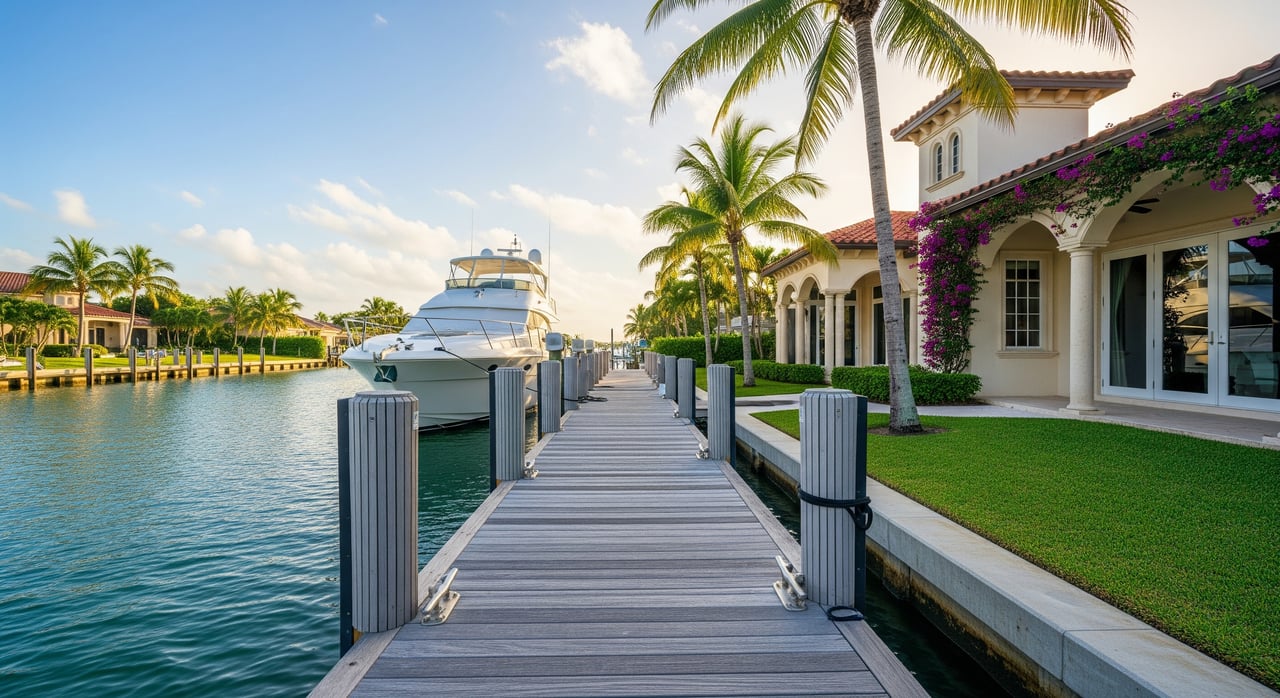
If you love boating, you’ve likely seen listings in The Moorings that promise “no-bridge Gulf access.” It sounds ideal, but what does it really mean for your boat, your time on the water, and your property value? If you’re shopping for a home in Naples with a dock, understanding this term will help you buy with confidence.
In this guide, you’ll learn what no-bridge Gulf access is, how it works in The Moorings, what affects boat size and draft, and a practical checklist to verify any property before you write an offer. Let’s dive in.
No-bridge access defined
“No-bridge Gulf access” means your route from the dock to the open Gulf does not require passing under any fixed, low-clearance bridge. In simple terms, you avoid air-draft limits that can stop sailboats, tall sportfish towers, or radar arches.
Why it matters to you:
- Air draft freedom. Tall masts, towers, and antennas can clear the route without bridge height limits.
- Convenience and speed. No waiting for bridge openings and fewer delays getting to open water.
- Resale appeal. Many buyers prefer this access, which can widen your future buyer pool.
Keep in mind, no-bridge access does not remove other limits. Depth, canal width, tides, and turning space still determine what you can safely operate from your dock.
Where it exists in The Moorings
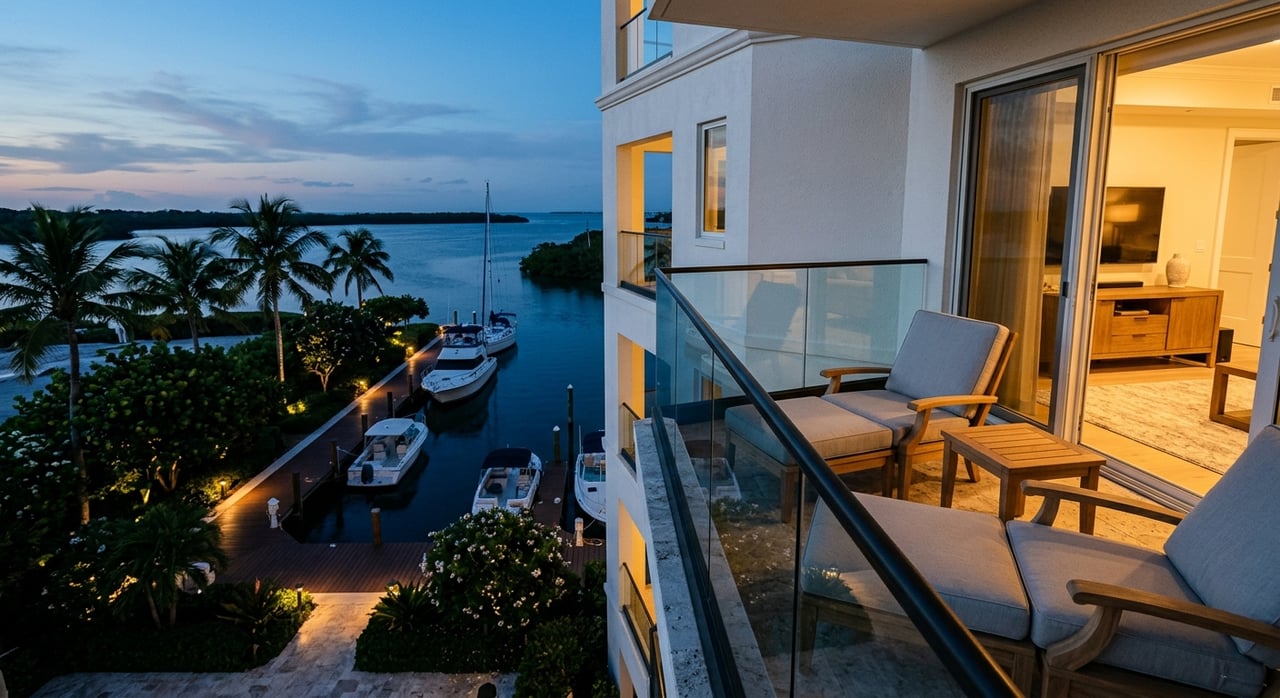
The Moorings is a waterfront neighborhood with canals and basins just north of central Naples. Most boaters here reach the Gulf through Doctors Pass, a marked inlet used by recreational boats.
When a property’s canal connects to the marked route to Doctors Pass with no fixed bridges in between, it is typically described as having no-bridge Gulf access.
Gulf vs inland routes
“No-bridge to the Gulf” is different from “no-bridge to inland routes.” You may have a clear path to the Gulf, while routes to other bays or up the coast can still involve bridges.
Canal limits to note
Some canals or corners can be narrow or shallow. Even with no bridges, canal geometry and depth can limit vessel length, beam, or draft. Always evaluate the specific dock and canal, not just the marketing term.
Vessel size and depth
If your route has no fixed bridges, air draft is usually not the limiting factor. Still check for overhead utilities or dock structures that could interfere with tall rigs.
Depth is often the primary constraint in Naples canals and near Doctors Pass. Shoaling can change depths seasonally. Plan using local tides and the lowest predicted water levels. If your boat’s draft is close to limits, you will want recent soundings.
Canal width and turning room matter too. Neighboring docks, seawalls, and pilings can make maneuvering a large vessel challenging. Larger boats may need bow or stern thrusters or a local captain’s help for tight turns.
Travel time and no-wake zones
From Moorings canals, the transit to the Gulf via Doctors Pass is typically measured in minutes, not hours. Actual time depends on idle and no-wake zones, your exact dock location, and conditions in the channel. Plan realistically for canal speeds.
Weather at Doctors Pass
Even on calm days inside the canals, Gulf swell or breaking surf at the inlet can affect small craft. Check conditions before exiting or re-entering. Comfortable timing and good seamanship keep your trip enjoyable.
Permits and insurance basics
Waterfront properties involve more than just the dock. Keep an eye on the following:
- Dock and seawall permits. Docks, pilings, and seawalls in Florida require permits and should match county or city records. Confirm that existing structures are permitted and maintained.
- Seawall condition. Seawall health can affect safety and insurance. Older walls may need repair or updates to meet current standards.
- Regulatory oversight. Coastal work and dredging involve federal and state agencies, along with local city and county departments.
- Insurance and flood risk. Waterfront homes carry specialized wind and flood exposure. Insurers often ask for proof of dock permits, seawall condition, and safe navigational access. Boat policies may reflect canal depth or exposure.
- Boating rules. State authorities enforce speed, safety, and registration rules. Some HOAs or clubs may also limit vessel type, liveaboards, or commercial activity.
Buyer verification checklist
Use this practical checklist to validate a property’s “no-bridge Gulf access” and ensure it fits your boat and boating style:
- Chart and depth review. Review current nautical charts for the Naples and Doctors Pass area and check recent Notices to Mariners for changes.
- Local depth confirmation. If your draft is close to limits, request recent depth soundings along the canal, at the dock face, and in the route to the inlet.
- Dock and seawall records. Ask for copies of dock and seawall permits and inspections from local records. Confirm if structures are up to current code or grandfathered.
- Ownership and maintenance. Verify riparian rights, dock ownership, and any shared responsibilities noted in the deed, plat, or HOA documents.
- Dredging status. Check recent dredging history or maintenance plans for Doctors Pass and your canal. Shoaling patterns can change over a season.
- On-water inspection. Hire a marine surveyor or a local captain to run the route at mean low tide, assess under-keel clearance, and evaluate turning space and markers.
- Structural survey. Have the dock, pilings, and seawall inspected for integrity and remaining useful life.
- Marina and service access. Confirm nearby fuel, haul-out, repair, and storage. Ask about towing or local assistance for large-boat maneuvers.
- Insurance and financing. Contact insurers early. Some lenders and insurers require documented permits and seawall reports.
- Safety and rules. Note local no-wake zones and seasonal restrictions. Ask about temporary closures or construction that could affect access.
Common scenarios and tips
- Mast-up sailboats. No fixed bridges on the route means air draft is not limited by bridges, but you still need adequate turning room and depth. Check for overhead lines near the dock.
- Large powerboats. Length, beam, and draft must fit your dock and canal. A site-specific dock plan and survey are essential.
- Shoaling seasons. Depth can change. Many owners plan departures around favorable tides or stage at a marina if needed.
- HOA rules. Some communities set standards for vessel types or usage. Review bylaws before you commit.
Make your move with local pros
No-bridge Gulf access in The Moorings is a real advantage, but the best results come from careful verification of depth, dock condition, permits, and local channel status. If you want a waterfront home that truly fits your boating life, lean on experienced local guidance and a clear plan.
Ready to explore properties with confidence? Connect with Tom & Sue Weidlich for boutique, high-touch representation, virtual consultations for out-of-area buyers, and coordinated inspections and surveys. We speak English and German, and we know Naples waterfront.
FAQs
In The Moorings, what does no-bridge Gulf access mean?
- It means your route from the property’s dock to the Gulf does not require passing under any fixed low-clearance bridge, reducing air-draft limits for tall boats.
Will no-bridge access fit my mast-up sailboat in Naples?
- Likely for air draft, but verify canal depth, turning room, and any overhead lines at the dock with a survey and on-water run at low tide.
How long is the run to the Gulf from The Moorings?
- It is typically a short transit to Doctors Pass measured in minutes, but actual time depends on no-wake zones, your dock location, and conditions.
Can shoaling at Doctors Pass block my route?
- Shoaling can occur; check recent dredging history and get local depth checks. Many owners plan trips around tides when depths are marginal.
What permits and records should I see before buying?
- Ask for dock and seawall permits and inspections, confirm ownership and maintenance duties, and review any HOA rules that affect dockage or boat type.
Are there boating rules I should know in Naples canals?
- Yes, state and local rules govern speed, no-wake zones, safety gear, and registration. Follow posted markers and current guidance for the inlet channel.