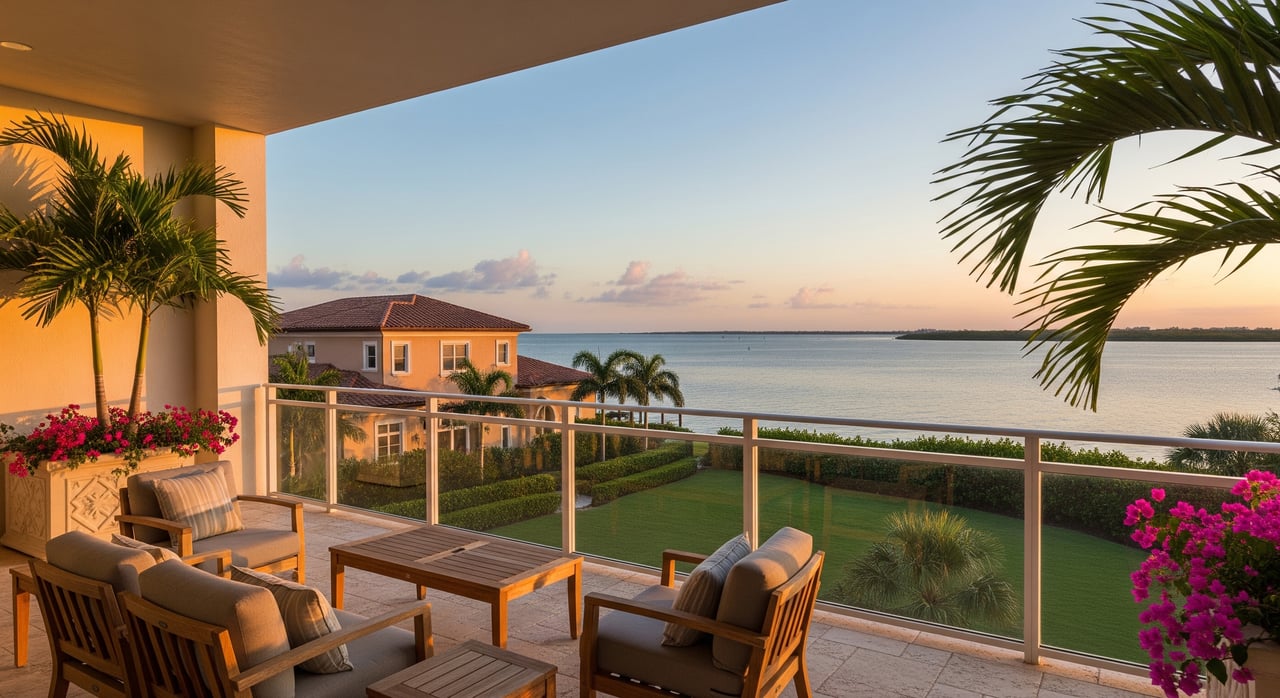
Trying to choose between a luxury condo and a single-family home in Naples? You are not alone. Many second-home buyers and relocators weigh convenience, privacy, boating access, and long-term costs before they decide. This guide walks you through the lifestyle tradeoffs, due diligence, and local rules that matter in Collier County, so you can buy with confidence. Let’s dive in.
Quick take: which option fits you?
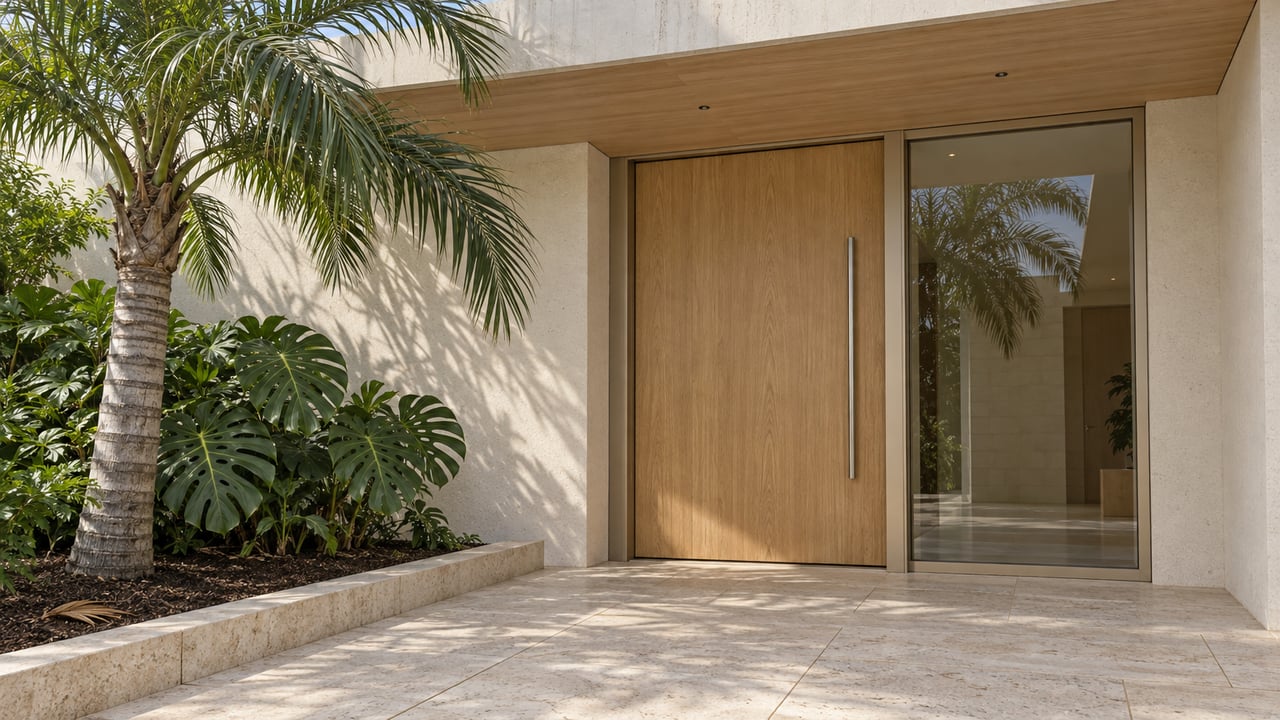
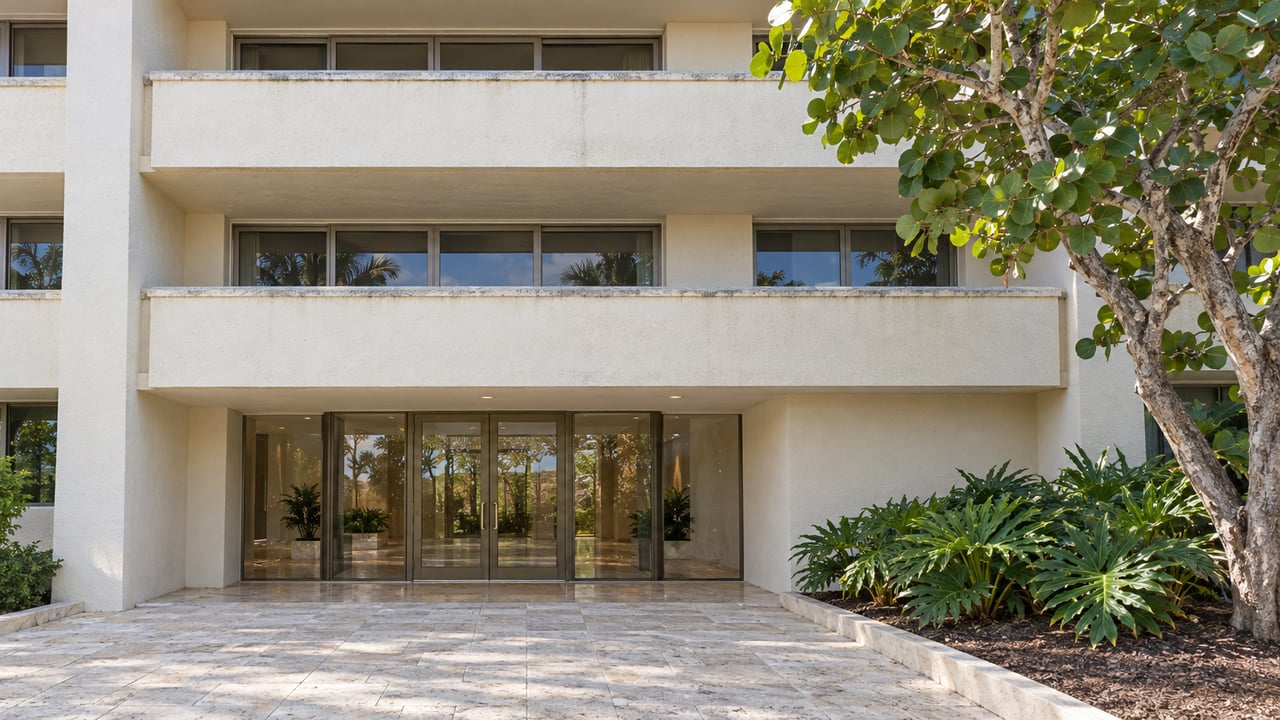
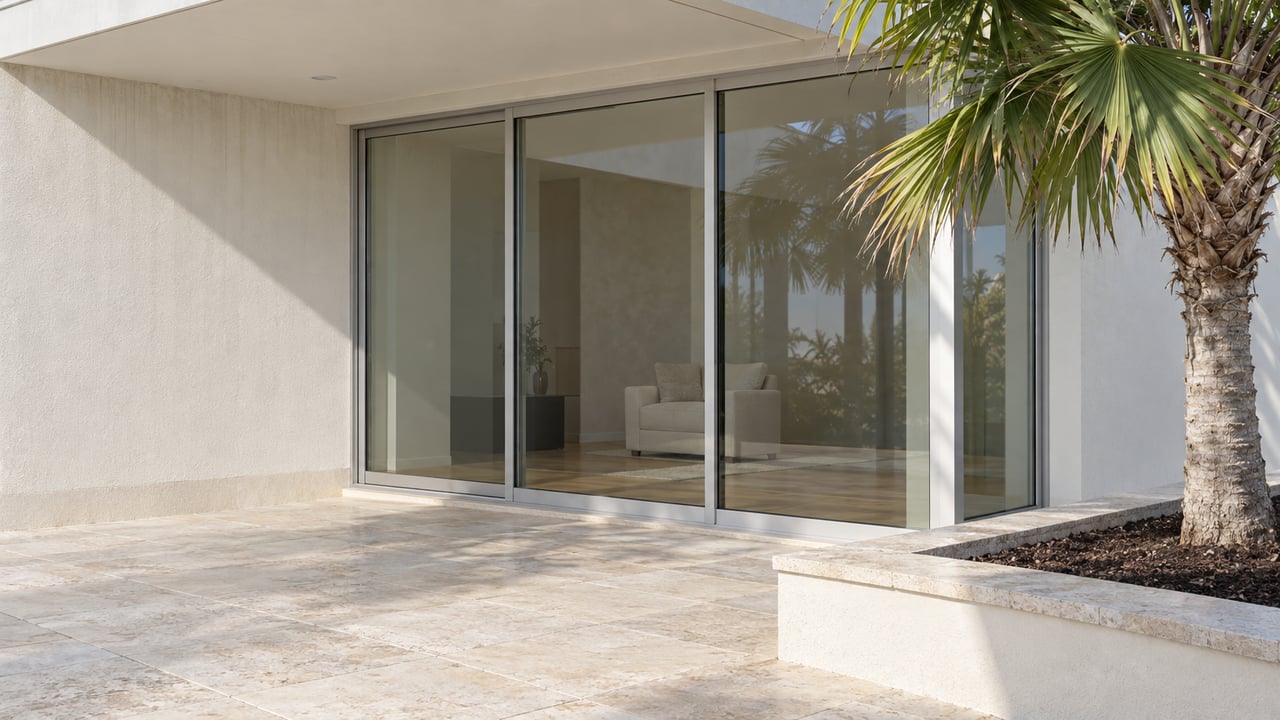
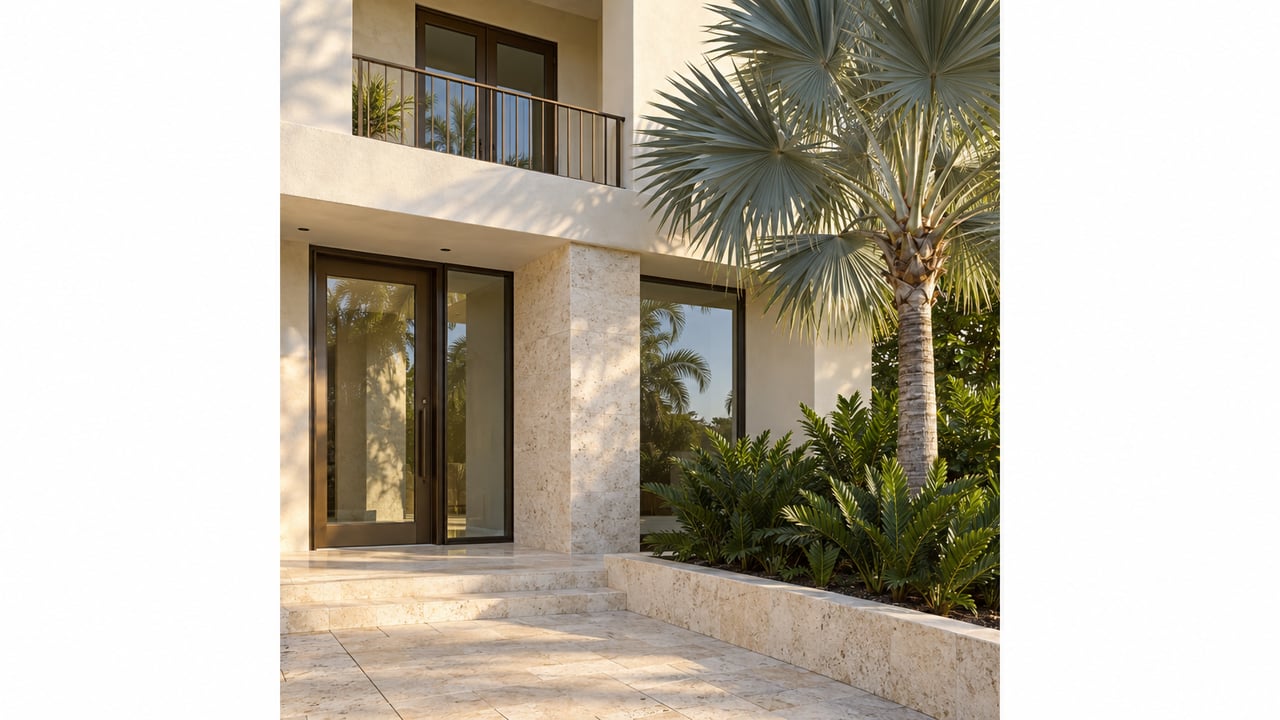
If you want low-maintenance living with resort amenities and on-site security, a luxury condo may be ideal. If you value privacy, outdoor space, and your own dock or pool, a single-family home can be the better fit. Naples offers both across iconic neighborhoods, each with different fees, risks, and resale dynamics. Reviewing your lifestyle, insurance appetite, and rental plans will narrow the choice fast.
For a pulse on local trends and inventory, you can review the latest market updates from the Naples Area Board of REALTORS.
Luxury condo vs single-family at a glance
| Factor | Luxury Condo | Single-Family Home |
|---|---|---|
| Lifestyle feel | Lock-and-leave, staffed buildings, social amenities | Private, personalized, outdoor living and space |
| Maintenance | Association handles exterior and common areas | Owner manages roof, landscape, pool, dock, and more |
| Amenities and services | Concierge, security, fitness, pool, beach access vary by building | Community amenities depend on HOA, private amenities are owner’s responsibility |
| Privacy and space | Shared walls and common areas | Greater privacy, yard, expansion options |
| Boating access | Some buildings offer marina slips with rules or waitlists | Private docks common in waterfront areas, more control |
| Fees vs costs | COA fees cover common elements and master insurance | HOA fees vary, but owners carry direct upkeep and repairs |
| Insurance | Master policy for structure, owner carries HO-6 and loss assessment | Owner carries homeowners and flood policies as needed |
| Financing | Condo project must meet lender eligibility | Traditional financing, second-home rules still apply |
| Rental potential | Depends on building rules, many restrict minimum terms | Depends on HOA and zoning, verify rules before buying |
| Resale dynamics | Building reputation and reserves matter | Lot, elevation, view, and dock access drive value |
Naples neighborhoods in plain language
Olde Naples
You get a mix of historic homes, renovated estates, and boutique luxury condos near the beach, the Pier, and dining along 3rd Street South. Walkability draws buyers who want a pedestrian lifestyle with quick beach access. Product type varies block by block, so pricing and liquidity depend on the specific street and property.
Park Shore
This area is known for high-rise beachfront and bayfront condos, plus select single-family waterfront homes. Many buildings offer beach access and staffed services that suit lock-and-leave living. If you want resort-style amenities close to the Gulf, this is a strong condo hub.
The Moorings
You will find low-rise condos, single-family homes, and marinas, with a calm residential feel near the water. Boaters appreciate the access and protected canals. Property types vary, so compare building reputations and, for homes, dock and seawall condition.
Port Royal and Aqualane Shores
These enclaves focus on ultra-luxury single-family waterfront estates with deepwater access and private docks. Buyers prioritize privacy, lot size, and boating. Marketing periods can be longer at the very top of the market due to a smaller buyer pool.
Pelican Bay
A large, amenity-rich community with high-rise and low-rise condos and private beach access. The club system, tram, and paths create a social, active environment popular with seasonal residents. Fees and services vary by building and association.
Grey Oaks, Tiburón, and Lely Resort
Inland gated golf communities offer single-family homes and villas with club amenities. These areas appeal to buyers who want resort life without beachfront premiums. Review each community’s HOA structure and membership options.
Vanderbilt Beach and Naples Park
You will find a mix of newer beachfront condos and homes close to dining and Gulf access. Some properties are attractive for seasonal rentals, but always confirm local and association rules before buying with income in mind.
Costs and risks to budget for
Association fees vs private upkeep
- Condos: Fees vary by building age, staffing, amenities, and insurance coverage. They usually cover common-area maintenance, exteriors, elevators, pools, and a master insurance policy. Ask for the current budget and reserve schedule to understand future projects.
- Single-family: HOA fees are often lower than condo fees, but you are responsible for landscaping, pool care, roof, pest control, and any seawall or dock maintenance. Inland homes have different cost profiles than coastal homes.
Insurance and climate exposure
Coastal properties face wind, hurricane, and flood risk. Review options and deductibles early with a Florida-savvy insurance professional. The Florida Office of Insurance Regulation offers consumer resources on carriers and coverage types.
- Flood: Lenders require flood insurance if the property is in a Special Flood Hazard Area. Check the FEMA zone for any address using the FEMA Flood Map Service Center.
- Elevation and sea level: Elevation, seawall condition, and long-term resilience influence premiums and resale. Explore long-range exposure with NOAA’s sea level tools.
Property taxes and exemptions
Florida does not levy a state income tax. Property taxes vary by property and assessed value. The Florida homestead exemption and related benefits apply only to primary residences. Confirm details with the Collier County Property Appraiser.
Financing and condo eligibility
Condo loans must meet project eligibility standards that review reserves, occupancy, litigation, and more. Some projects may need larger down payments or different loan structures. Get aligned early by reviewing the Fannie Mae condo project requirements. Second-home and investment loans also have stricter down payment and reserve rules than primary residences.
Reserves, assessments, and litigation
For condos, request the association budget, reserve study, recent audited financials, insurance certificates, and the last 12 to 24 months of meeting minutes. Low reserves, pending projects, or litigation can change your cost of ownership. For HOA homes, ask for similar documents and, for waterfront properties, seawall and dock histories.
Rental potential and rules
Naples has robust seasonal demand, especially in winter, but not every building or neighborhood allows short stays. Rules vary by city, county, and community.
- Municipal rules: Check the City of Naples for registration and licensing requirements inside city limits and the Collier County Government for properties in unincorporated areas.
- Association rules: Many luxury condos set minimum terms or limit the number of leases per year. Some single-family communities have similar restrictions. Verify rental caps, minimum days, application timelines, and fees.
- Operations: If you plan to rent, budget for professional management, utilities, cleaning, guest support, and local taxes. Statewide resources from Florida Realtors can help you understand investment considerations.
Boating and waterfront specifics
If boating is central to your lifestyle, define your needs early.
- Single-family waterfront: Private docks with direct Gulf or bay access provide maximum flexibility. Review water depth, bridge clearances, and maintenance records for docks and seawalls. Commission specialized inspections.
- Condos with slips: Some buildings include marinas or nearby slip options, sometimes with waitlists or separate ownership. Ask about fees, insurance requirements, and any restrictions on boat size or lifts.
Resale dynamics and what holds value
Both condos and single-family homes can perform well, but drivers differ.
- Condos: Building reputation, financial strength, and recent capital projects support values. Strong reserves and proactive maintenance reduce the risk of special assessments and can improve buyer confidence.
- Single-family: Lot size, elevation, water frontage, dock quality, and proximity to downtown are enduring value drivers. Ultra-luxury estates can take longer to sell due to a smaller buyer pool.
For neighborhood color and recent stories, browse local coverage from the Naples Daily News.
Your decision checklist
Use this quick filter to reach clarity:
- Lifestyle priorities: Prefer walkability and on-site services or private outdoor space and customization?
- Maintenance tolerance: Do you want hands-off ownership or direct control and responsibility?
- Privacy and noise: Are shared walls and common areas acceptable?
- Boating needs: Do you require a private dock or deepwater access?
- Rental plans: Will you rent the property? Confirm community rules and local ordinances.
- Insurance appetite: Comfortable managing separate flood and wind policies and coastal deductibles?
- Financing needs: Will your condo project meet lender eligibility, and do you need second-home or investment financing?
- Long-term plans: Is this a seasonal retreat, a full-time residence, or an income property? Remember that only primary residences qualify for Florida homestead benefits.
- Due diligence: Request association budgets and reserve studies, minutes, insurance certificates, and inspection reports. For waterfront, add seawall and dock inspections.
Smart next steps in Naples
- Define your top three non-negotiables: boating, beach access, privacy, or rental flexibility.
- Get pre-approved with a lender experienced in Florida condos if a condo is on your list, and review the project’s eligibility early using Fannie Mae’s guidelines.
- Pull the right documents: budgets, reserves, minutes, insurance certificates, and rental rules for any building or HOA you are considering.
- Check risk and taxes first: confirm your FEMA flood zone with the FEMA Flood Map Service Center and verify tax details with the Collier County Property Appraiser.
- Line up inspections tailored to the property type, including roof, structural, mold, termite, and, for waterfront, seawall and dock evaluations.
When you want a clear head-to-head comparison of specific Naples buildings and neighborhoods, plus introductions to trusted lenders, inspectors, and insurance pros, reach out to Tom & Sue Weidlich for boutique-level guidance and a streamlined search. Book an Appointment and let us help you find the right fit.
FAQs
What do Naples condo fees usually cover for luxury buildings?
- Most cover common-area maintenance, the building’s master insurance policy, exterior upkeep, elevators, pools, and some utilities, but always request the current budget and reserve study to confirm.
How do I check if I can rent my Naples property seasonally?
- Verify municipal rules with the City of Naples or Collier County Government, then review your building or HOA bylaws for minimum terms, caps, applications, and fees.
Are condo loans harder to get in Florida?
- Some projects must meet specific lender criteria on reserves, occupancy, and litigation; review the Fannie Mae project requirements and get pre-approved with a lender who knows Naples condos.
How risky is buying waterfront in Naples with sea-level rise?
- Assess elevation and flood zone through the FEMA Flood Map Service Center, review seawall condition, and model long-term exposure using NOAA’s sea level tools to understand insurance and resale implications.
Which has better resale in Naples, a luxury condo or a home?
- It depends on location and property attributes; condo values track building quality and reserves, while single-family values hinge on lot, elevation, view, and dock access, and ultra-luxury homes can take longer to sell.