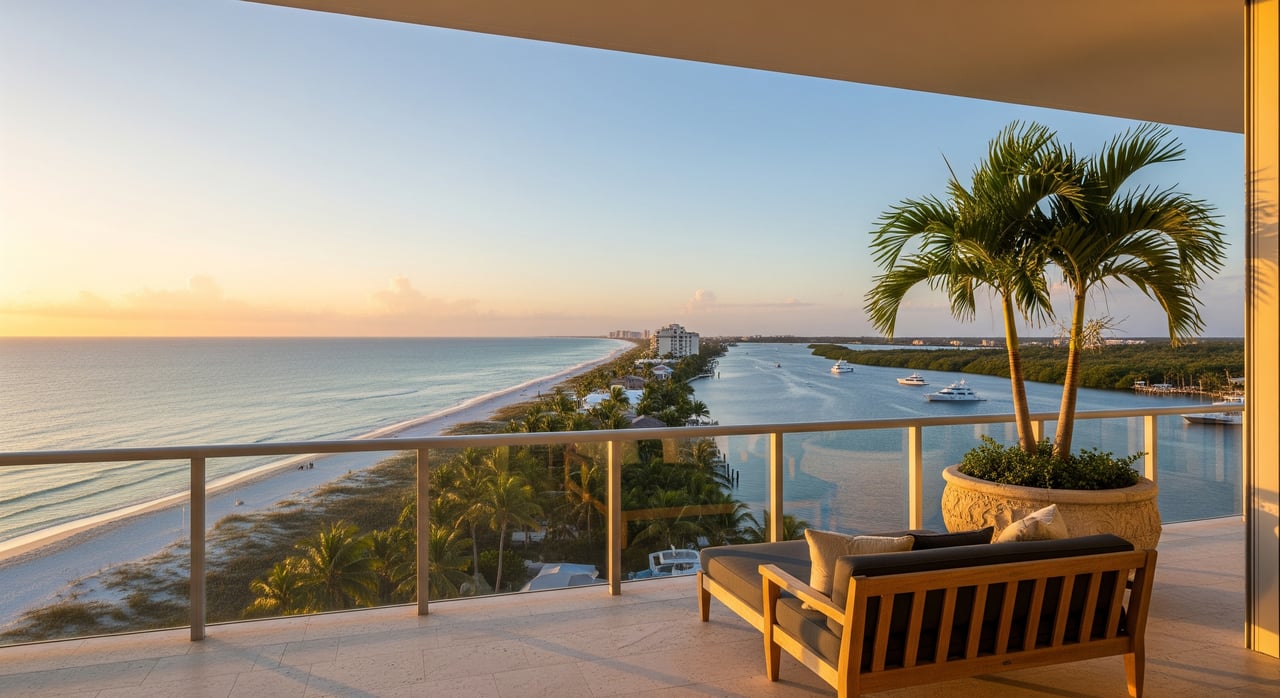
Do you picture yourself stepping onto soft sand at sunset, or cruising your boat from a protected canal for a morning ride? If you are eyeing Park Shore’s Gulf Shore Blvd, you are choosing between two beautiful versions of waterfront living. Both sides offer incredible benefits, yet the day-to-day experience feels different.
In this guide, you will learn how beachfront towers compare with bay-side buildings along Gulf Shore Blvd in Park Shore. You will see how views, access, boating, insurance, HOA costs, and resale factors stack up so you can choose confidently. Let’s dive in.
Park Shore at a glance
Park Shore sits along Gulf Shore Blvd in north Naples with a mix of high-rise and low-rise condominiums on both the Gulf side and the bay and canal side. Beachfront means direct Gulf of Mexico exposure and dune access. Bay-side means canal or protected bay views with potential for docks and calmer water access.
You are close to downtown Naples and 5th Avenue South from either side, so dining and shopping access is similar. Both sides share a tropical climate with seasonal highs and hurricane considerations.
Views and sunlight
Beachfront views
If you crave wide-open horizons and dramatic sunsets, beachfront towers deliver signature west-facing Gulf panoramas. Afternoon light can be intense, which is a highlight for sunset lovers. Many balconies and living rooms are positioned to catch the glow and sea breeze.
Bay-side views
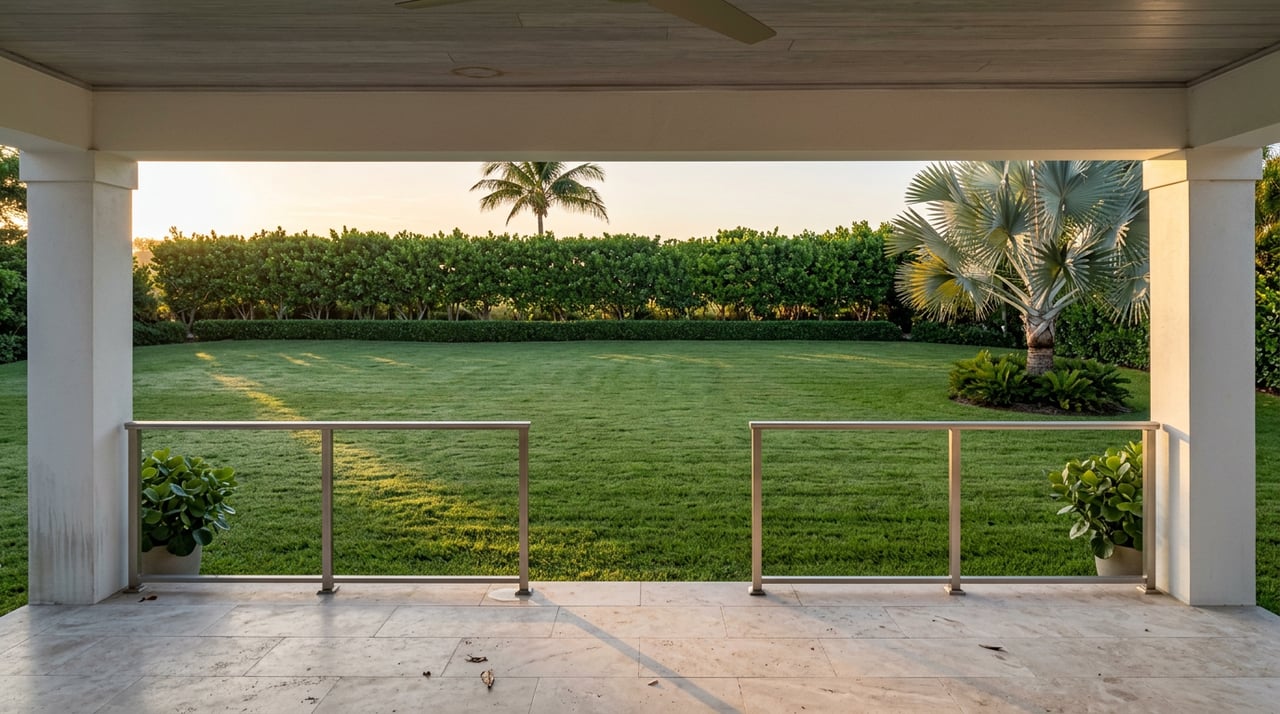
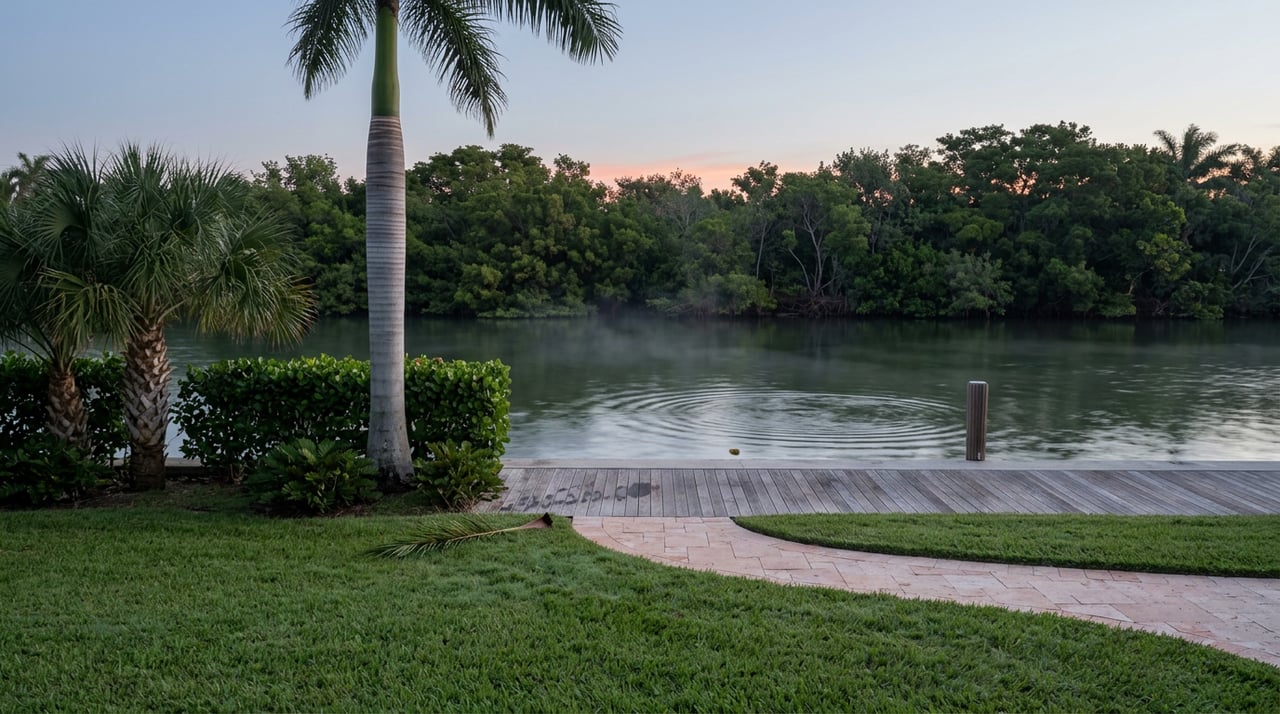
Bay-side buildings offer a quieter water setting with canals, mangroves, and boat activity. Depending on the building’s orientation, you can enjoy softer morning light, sunrises, and moonrises over calm water. Western exposures on the bay side can still bring warm afternoon sun with a different, more intimate water view.
Beach access and recreation
What beachfront provides
Beachfront towers often include private or deeded pathways to the sand, plus features like beachside pools, cabanas, and chair service. County beach rules apply to public use, and occasional dune projects can affect access during work windows.
How bay-side residents reach the sand
Bay-side buildings do not have direct Gulf access. You typically cross Gulf Shore Blvd to reach the beach. Some communities offer a shuttle or shared access arrangements, although this varies by building. In trade, you gain easy access for fishing, kayaking, and paddleboarding from protected waters.
Boating and docks
Bay-side advantages
Many bay-side communities in Park Shore provide docks, deeded slips, or lifts. Protected waters make it easier to keep and launch smaller craft. Slip size, availability, and transfer rules vary by building and are controlled by condo documents. Docks, lifts, and seawalls require permits, and local rules apply through Collier County coastal permitting and the Florida Department of Environmental Protection coastal programs.
Beachfront limitations
Beachfront parcels generally do not include private docks due to dunes, surf, and environmental restrictions. Owners who boat often use public marinas or off-site storage for larger vessels. If boating is central to your lifestyle, the bay side usually offers a more convenient setup.
Noise and privacy
Beachfront pace
Beachfront areas can feel lively, especially in high season. Expect more pedestrian traffic, beach events, and ambient sounds tied to the shoreline. The upside is a social, active scene with the beach at your doorstep.
Bay-side pace
Bay-side buildings are typically quieter with fewer beach-goers nearby. You may hear boat engines and waterfront activity during the day, but overall it can feel more private and low-key. This setting suits a calmer routine and easy access to paddle sports.
Insurance and flood risk
Both sides are in coastal flood-prone zones. The beachfront often faces greater direct storm surge exposure, while bay-side properties can face surge and tidal flooding through canals.
- Use FEMA Flood Insurance Rate Maps and request an elevation certificate specific to the building and unit.
- Ask about hurricane protection, such as impact glass, shutters, and wind mitigation reports. These can affect insurance availability and cost.
- Coastal regulations influence construction and repairs near the shoreline. Learn the basics through the Florida Department of Environmental Protection and local permitting resources.
- NOAA provides long-term sea level and tide data that can help you understand the broader context. Review NOAA sea level and tide data early in your research.
Insurance premiums depend on elevation, building age, construction, and mitigation features. Expect variability from building to building.
HOA costs and upkeep
HOA dues vary based on amenities, reserves, and upcoming projects. Beachfront buildings may budget for dune and beach-related maintenance, corrosion control, and specialized exterior care. Bay-side buildings often fund marina upkeep, dock replacement, and occasional dredging.
Study reserve funding and planned capital work carefully. Ask about recent and upcoming assessments, master insurance deductibles, and any litigation. A well-run association with healthy reserves can support long-term value.
Pricing and resale
Beachfront residences typically command a premium per square foot due to unobstructed Gulf views and direct sand access. That said, bay-side condos with deeded deep-water slips or standout views can be highly valued.
Naples is a seasonal market with strong second-home demand. For current trends, consult Naples Area Board of REALTORS market reports to understand inventory and pricing patterns that influence Park Shore. When comparing buildings, weigh age, recent upgrades, reserve strength, hurricane performance, and rental rules.
Rental rules
Condominium declarations shape rental policies, including minimum stay length, the number of leases per year, and owner occupancy ratios. Rules can vary widely across buildings and affect income potential as well as community culture.
Florida condominium law provides the legal foundation for associations. Review the relevant statutes at Florida Statutes Chapter 718, and confirm the specific building’s rules before you buy.
Your decision checklist
Use this checklist to compare beachfront and bay-side options along Gulf Shore Blvd.
Key documents to request
- Most recent condo budget and reserve study
- Board meeting minutes for the last 12 months
- Master insurance policy and deductible schedule
- Rules on rentals, pets, and renovations
- Elevation certificate and FEMA flood zone designation
- Any current or recent special assessments
- Marina documents, slip dimensions, lift capacities, and waiting list details
- Recent dock, seawall, or structural inspection reports
Questions to ask
- Is there private beach access or a deeded walkway, and who maintains it?
- Are boat slips deeded, leased, or waitlisted, and are they transferable?
- What capital projects are planned in the next 1 to 5 years?
- What hurricane protections are in place, such as impact glass or shutters?
- What are the current rental rules and owner occupancy percentages?
- How are dune renourishment or seawall maintenance projects handled?
Site-visit tips
- Walk the beach access and note signage, dune health, and public use
- Inspect docks and pilings for visible wear and clearance
- Listen for noise sources such as HVAC, generators, and boat traffic
- Observe traffic on Gulf Shore Blvd during mornings, evenings, and weekends
- Check proximity to parks, beach parking, bike paths, and downtown
Best time to tour
Tour in winter to see peak-season activity and service levels. Then return in the off-season to gauge the quieter pace and maintenance routines. Both views will help you choose the lifestyle that fits you best.
Choosing between beach and bay on Gulf Shore Blvd comes down to the details that matter most to you. If your perfect day ends with toes in the sand and a front-row sunset, beachfront will likely win. If you want calm water access and a dock at your doorstep, the bay side is tough to beat. When you are ready for a curated shortlist and a building-by-building comparison, connect with Tom & Sue Weidlich to Book an Appointment.
FAQs
Which side is better for boating in Park Shore?
- Bay-side buildings usually offer docks, slips, and protected water access, which is more convenient for most boaters.
Do beachfront condos have direct beach access?
- Many beachfront towers provide private or deeded pathways to the sand, often with beachside amenities.
Can I get a deeded boat slip on the bay side?
- Many bay-side buildings offer slips, but availability, size, and transfer rules vary by association and documents.
Do beachfront condos have docks along the Gulf?
- Rarely. Environmental and permitting constraints limit Gulf-side dock structures, so owners often use marinas off site.
How do flood and insurance risks compare on each side?
- Both face flood risk. Beachfront often has greater storm surge exposure, while bay-side faces surge and tidal flooding through canals. Check FEMA flood maps and elevation certificates.
Are HOA fees higher on the beach or the bay?
- It depends on amenities and projects. Beachfront may carry dune and exterior exposure costs. Bay-side may fund marina upkeep and dredging.
What should I review before making an offer?
- Ask for the budget, reserve study, board minutes, insurance policies, elevation certificate, rental rules, and any assessment or marina documents.
Where can I learn about rental restrictions in Florida condos?
- Review the building’s condo documents and the legal framework in Florida Statutes Chapter 718.