You have a lot of choices along Gulf Shore Boulevard, and the amenity mix can be the difference between a carefree beach lifestyle and surprise costs. Maybe you want concierge convenience, a quiet pool deck, or a slip for your boat. Or you might be eyeing rental income during Naples’ busy winter season. In this guide, you’ll learn how to match condo amenities to your lifestyle, budget, and any rental goals, plus what to check so you avoid hidden risks. Let’s dive in.
Know the Gulf Shore Blvd landscape
Beach and bay buildings
Gulf Shore Boulevard spans beachfront towers, bayfront mid- and high-rises, and older low-rise communities. Local associations along this corridor are active in coordinating beach, safety, and infrastructure priorities, which supports long-term property value and shared amenities.
Why seasonality matters
Naples’ high season runs mid-January through Easter, when visitor demand and weekly rates tend to peak. If a building allows short stays, it can attract strong seasonal bookings but also requires more oversight, housekeeping, and rule enforcement. Consider both the upside and the operational lift before you count on rental income.
Amenity tiers and tradeoffs
Full-service towers
These buildings feel like private resorts. You may see 24/7 concierge or doorman service, valet, heated resort pools, spa or sauna, wellness facilities, guest suites, on-site management, and sometimes marina access. The convenience is real, but so are the higher monthly dues and reserves needed to staff, insure, and maintain everything.
Mid-range amenity buildings
Expect part-time concierge or staffed office hours, a fitness center, pool and spa, occasional guest suites, beach access through community or association rights, and covered parking. These properties balance lifestyle value with controlled costs, though staffing and equipment still require solid budgeting.
Simpler or older buildings
You might find a single pool, a social room, basic secured entry, and limited guest parking. Monthly dues can be lower, but smaller reserves and aging components can increase the chance of special assessments for roof, façade, or elevator work. The Community Associations Institute explains why amenity levels and building age drive reserve needs and dues over time. See CAI’s reserve guidance for context on funding standards and planning.
Key amenities to evaluate
- Staffing and concierge. Confirm whether front desk coverage is full-time or part-time, how packages and guests are handled, and any valet services. Staffing is one of the largest recurring expense lines and directly impacts monthly dues.
- Fitness and wellness. Ask about the size and quality of equipment, whether there are classes or trainers, and replacement schedules. Bigger wellness clubs require more maintenance and potential staffing.
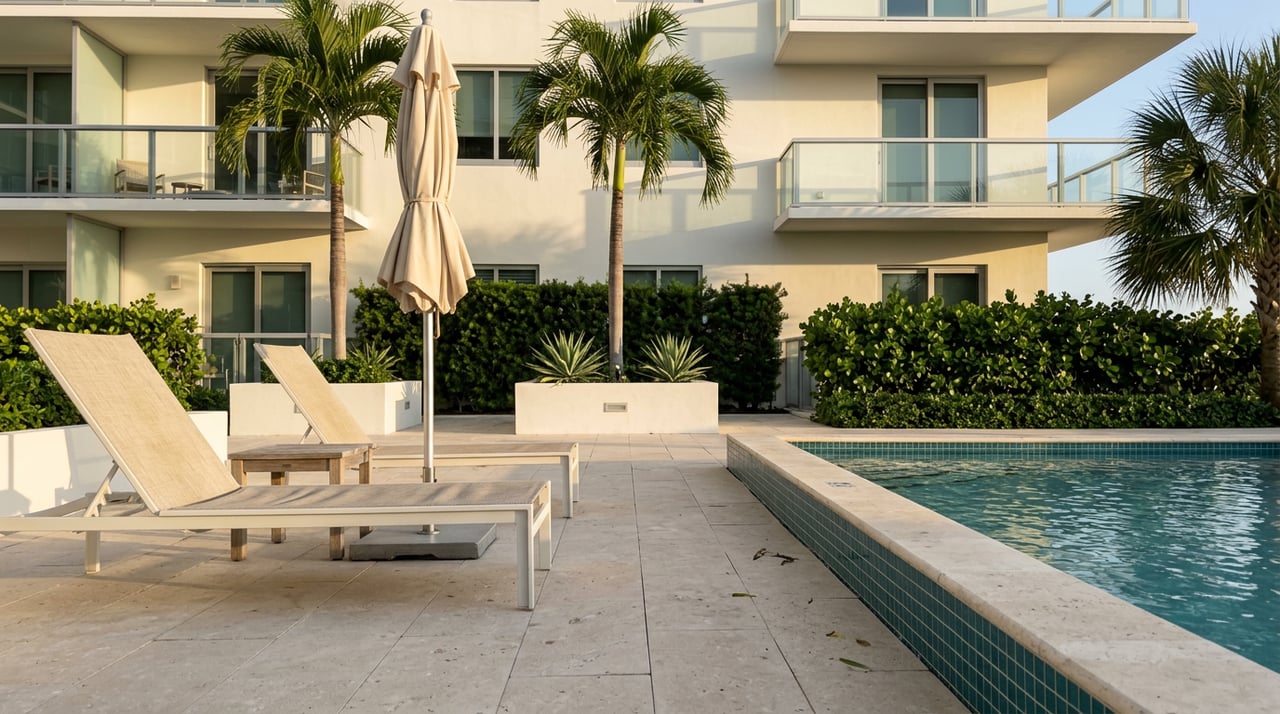
- Pools and decks. Look for pool count, heating schedules, cabanas, recent repairs, and any special rules. Pools add utility and insurance costs and need consistent upkeep.
- Guest suites. These can be a useful overflow option for friends and family. Most associations charge nightly fees and control bookings. Review usage rules and any revenue-sharing details.
- Beach access. Some buildings have deeded beach parks or membership-based beach rights, while others rely on public access points. Deeded or private access adds convenience and may increase dues.
- Docks, slips, and kayak storage. Bayfront properties sometimes offer slips or kayak racks. Confirm ownership versus lease, assignment and waitlists, slip sizes, permits, dredging or seawall responsibilities, insurance requirements, and user fees. For a model of common dock rules and fees, review a sample condo dock policy from a local association that outlines slip sizes, insurance, and waitlists.
- Parking, garages, EV charging, and storage. Verify whether spaces are deeded or assigned, if there is valet or tandem parking, guest capacity, and available EV charging. Storage lockers or bike rooms can be a real plus for seasonal owners.
- Building envelope and storm readiness. Check for impact windows, installed hurricane shutters, generator capacity, and prior storm repair history. Insurance underwriting and your personal risk tolerance both benefit from robust storm prep features and clear maintenance records.
How amenities affect costs and risk
Monthly assessments and reserves
What you enjoy also drives the budget. Full-time staff, utility-heavy pools, elevator contracts, insurance premiums, dock or marina maintenance, and capital reserves for roofs, façades, and mechanicals all add up. CAI’s reserve standards explain why amenity-heavy buildings require stronger reserve funding and why underfunding is a common cause of special assessments.
New Florida inspection and reserve laws
If a condo is three stories or higher, Florida’s milestone inspection law requires structural inspections once the building reaches 30 years of age, or 25 years if within 3 miles of saltwater. Many Gulf Shore Blvd buildings meet those criteria. Local officials administer filing and deadlines, and required repairs can lead to significant funding needs. Florida also requires Structural Integrity Reserve Studies for qualifying buildings, and for budgets adopted on or after December 31, 2024, associations that must obtain a SIRS generally cannot vote to waive or underfund the structural items identified. These rules reduce the ability to skip critical reserve funding and can increase dues or trigger assessments when issues are found.
- Read Florida’s milestone statute for timing and scope.
- Review Collier County’s local milestone inspection guidance for compliance and deadlines.
- See SIRS requirements and funding provisions to understand how structural reserves affect future budgets.
Insurance and deductible exposure
In coastal condos, the master policy may carry a high wind or hurricane deductible, often stated as a percentage of insured value. Governing documents sometimes allow boards to allocate part of that deductible to owners after a storm. Work with your insurer to calibrate your HO-6 coverage, including loss assessment coverage, to match the building’s deductible structure. Review the association’s insurance declarations to understand coverage limits and responsibilities before you buy.
Financing and project warrantability
Lenders evaluate condos at the project level. Thin reserves, ongoing litigation, low owner-occupancy, or heavy commercial use can make a project non-warrantable, which can restrict conventional or FHA financing options. Amenities do not block financing on their own, but the financial profile that comes with them can. Ask your lender to check project approval status early.
Flood, seawalls, and beach projects
Much of Gulf Shore Blvd sits in FEMA coastal flood zones, and active beach or stormwater projects can temporarily affect access, parking, or amenity use. Before you estimate insurance or plan amenity usage, verify FEMA floodplain information and any local beach or stormwater project timelines that could impact the area.
- Use Collier County Floodplain Management resources to review local flood data and FEMA panels.
Planning to rent? Rules to confirm first
Association rules. Even if local regulations allow short stays, a condo’s governing documents might set minimum lease terms, waiting periods, or caps. Florida law generally limits the retroactive application of new rental prohibitions to existing owners who did not consent, but effects vary by community type and recorded language. Always verify recorded amendments and approval procedures.
County registration. If the property is in unincorporated Collier County and you plan to rent short term, the county requires vacation rental registration, a 24/7 responsible party, tax compliance, and a registration number on ads. Verify whether the building is inside City of Naples limits, since city properties are exempt from the county program.
State licensing. If you plan to rent more than three times per year for periods under 30 days, you may need a Florida DBPR vacation rental license. Discuss licensing and any county registration together so your plan aligns with all requirements.
Seasonality. Weekly or nightly rentals typically see peak demand in winter and early spring. Align your expectations with your building’s lease minimums and your capacity to manage higher-season turnover and enforcement.
Review Collier County’s vacation rental registration program for scope and compliance.
Check Florida DBPR vacation rental licensing guidance for state-level requirements.
Read a legal overview of how Florida associations can regulate leasing and apply amendments.
Match your lifestyle to the right amenities
Snowbird lock-and-leave
If you want an easy seasonal home base, prioritize on-site staff or property management, secure parking, strong access controls, and clear guest policies. Look for buildings that document storm readiness, keep reliable reserves, and offer light housekeeping or vendor referrals. The convenience may come with higher dues, but it often reduces your time managing details from afar.
Full-time resident focused on fitness and community
You may get the best lifestyle-to-cost balance in a building with a solid fitness center, a heated pool and spa, active common spaces, and reasonable guest accommodations. Ask about noise policies, social programming, and proximity to dining and services so your everyday routine flows easily.
Investor or rental-focused buyer
Start with the association’s lease rules and any waiting periods. Then confirm whether county registration or state licensing applies and how the building enforces advertising and guest compliance. Buildings that allow weekly stays and have organized management can perform well in season, but success depends on compliance and consistent guest services.
Due diligence checklist for Gulf Shore Blvd condos
Request these items during your inspection and review period:
- Resale certificate or estoppel showing current assessments, transfer fees, and approval rules.
- The last 12–24 months of financials, including the current budget, income statement, balance sheet, and accounts receivable aging.
- Current reserve study and the Structural Integrity Reserve Study if the building is three stories or more, plus the funding plan. Note that SIRS structural items may be non-waivable for budgets adopted after Dec 31, 2024.
- Insurance declarations for the master policy, including wind or hurricane deductibles and any audit or renewal summaries. Confirm whether deductibles can be allocated to owners.
- Board meeting minutes from the past year, upcoming project notices, major vendor contracts, and any litigation disclosures.
- Milestone inspection reports and related engineer proposals or permits, plus filing dates and correspondence with local officials.
- Dock or marina agreements, slip waitlists, and user fee schedules if applicable; confirm dredging, seawall, and piling responsibilities.
- Rental policy, including minimum terms, approval process, applications, fees, and any recorded amendments that affect rental rights.
- Building inspection reports for roof, balconies, elevators, and recent capital project invoices.
- A summary of what the master policy covers versus the unit owner’s responsibilities, then size your HO-6 and loss assessment coverage accordingly.
Helpful references:
- Florida’s milestone inspection statute.
- Collier County milestone inspection guidance.
- SIRS requirements and reserve funding provisions.
- Insurance and HO-6 considerations for Florida condos.
- CAI reserve planning guidance.
- Example dock rules and slip policies from a local association.
Quick red flags to watch
- No reserve study or reserves that are far below recommended funding for the building’s age and amenities.
- Multiple or recent special assessments without a clear plan to fix the root cause.
- A master policy with very high percentage wind deductibles and no association strategy to cover them.
- Unresolved litigation tied to structural or habitability issues.
- Slips or seawalls without current permits, evidence of deferred dredging, or unclear maintenance responsibilities.
Ready to compare buildings?
Choosing the right Gulf Shore Blvd condo starts with a clear picture of your daily routine, your comfort with shared costs, and your rental or boating plans. When you pair that with disciplined document review and an understanding of Florida’s new inspection and reserve rules, you can buy with confidence. If you want a second set of eyes on amenities, budgets, and building compliance, reach out to Tom & Sue Weidlich for local guidance tailored to your goals.
FAQs
What amenities are common on Gulf Shore Blvd condos in Naples?
- You’ll typically see some mix of concierge or staffed hours, pool and spa, fitness rooms, beach access, guest suites, covered parking, and sometimes docks or kayak storage, with more amenities in newer or full-service towers.
How do Florida milestone and SIRS rules affect older Naples condos?
- Buildings three stories or higher face milestone structural inspections and SIRS-backed reserve funding requirements, which can increase dues or trigger assessments when repairs are identified.
What should I check before planning short-term rentals in a Gulf Shore Blvd condo?
- Confirm the condo’s lease minimums and approvals, verify whether Collier County registration applies, and review DBPR licensing rules if you plan frequent short stays.
How do condo master policy wind deductibles impact me as an owner?
- High percentage wind deductibles can be passed to owners depending on governing documents, so review the master policy and carry an HO-6 with loss assessment coverage sized to the building’s deductible.
Does flood risk affect amenities or insurance on Gulf Shore Blvd?
- Yes. Many properties sit in coastal flood zones, and local beach or stormwater projects can affect access or operations temporarily; review FEMA panels and county floodplain resources before estimating insurance.
What makes a condo project non-warrantable for financing?
- Low reserves, litigation, low owner-occupancy, or heavy commercial space can lead to non-warrantable status, which limits conventional or FHA financing options and may raise borrowing costs.
How do boat docks and slips usually work in bayfront condos?
- Slips are often assigned or leased with separate user fees and waitlists; rules typically cover slip sizes, insurance, and maintenance responsibilities, so review the association’s dock policies closely.