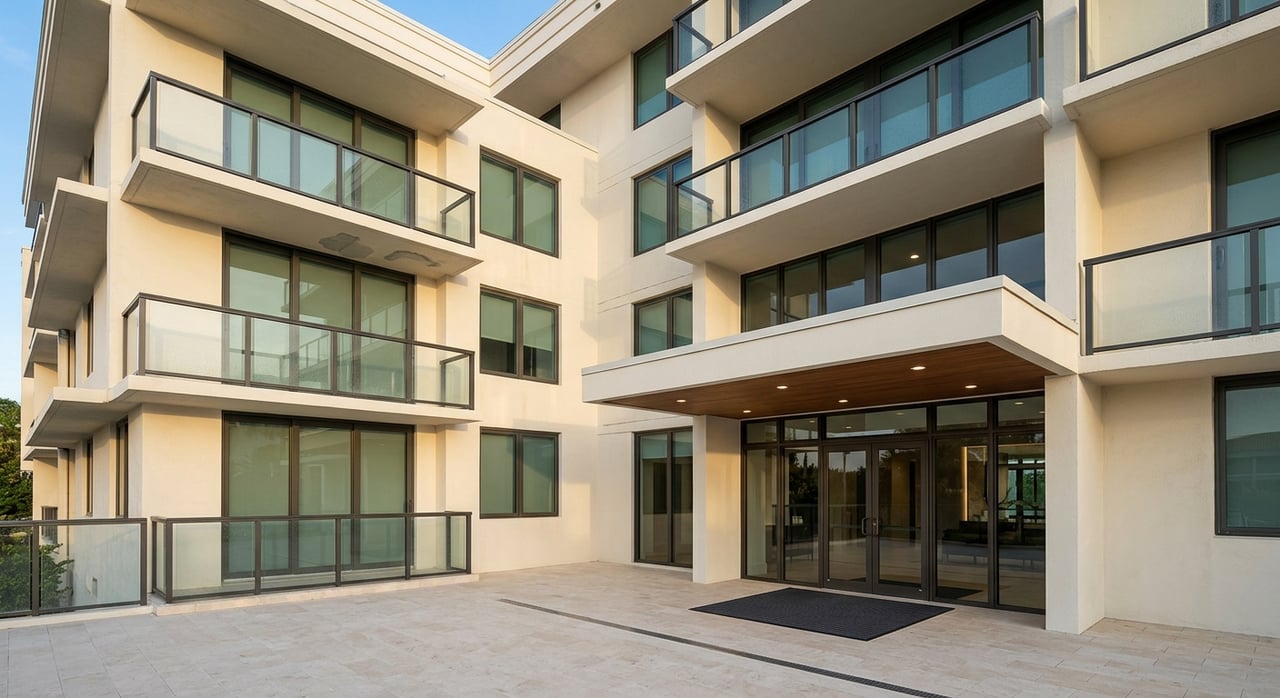
Buying an older condo on Gulf Shore Boulevard can feel exciting and a little intimidating at the same time. You may love the location, the views, and the character, but still wonder what could be hiding behind the walls, in the budget, or inside the association records. The good news is that you can buy with confidence when you know what to review, what to ask, and where the real risks usually show up. Let’s dive in.
Why older Gulf Shore Blvd condos need extra care
In Naples, older coastal condos often require deeper due diligence than newer buildings. That is especially true along Gulf Shore Boulevard, where building age, saltwater exposure, and evolving Florida condo rules all matter.
Under Florida’s milestone inspection law, condo and co-op buildings that are three habitable stories or more must complete inspections by the year they reach 30 years of age and every 10 years after that. The law also allows local enforcement to require inspections at 25 years for buildings near salt water, which is especially relevant on the Gulf Shore corridor.
That means the biggest questions are often not about finishes or décor. They are about the building’s structure, waterproofing, windows and doors, roof systems, fire protection, and whether deferred maintenance has already been identified and funded.
Focus on records, not just appearances
A beautiful lobby or updated unit does not tell you whether the association is financially prepared for major capital work. In many older buildings, the true story is found in the engineering reports, reserve plans, budgets, and meeting minutes.
Florida law now gives buyers more structure around these issues. For older owner-controlled associations, a Structural Integrity Reserve Study, or SIRS, was due by December 31, 2025, unless timing with a required milestone inspection allows completion by no later than December 31, 2026.
A SIRS is not just a simple checklist. It must identify certain building components through visual inspection, estimate remaining useful life, estimate replacement cost or deferred maintenance, and provide a funding plan.
What a SIRS can reveal
A reserve study can help you see whether the association is planning realistically for major future costs. Required reserve categories include items such as roofs, load-bearing structures, fireproofing and fire protection, plumbing, electrical systems, waterproofing, exterior painting, windows, and exterior doors.
The state also provides guidance on reserve thresholds. According to the Florida DBPR condo FAQs, the 2026 threshold is $25,675, which can help when you compare reserve schedules and association budgets.
Understand milestone inspections before you buy
A milestone inspection is a key part of buying an older coastal condo with confidence. It helps identify whether the building shows signs of substantial structural deterioration.
Under the law, the process has two phases. Phase one is a visual review of habitable and nonhabitable areas, and phase two is only required if substantial structural deterioration is found. If phase two is triggered, it may include destructive or nondestructive testing.
Once the association receives the report, it must distribute the inspector-prepared summary to owners within 45 days and post it on the association website if required. For a buyer, that summary can offer an important snapshot of the building’s current condition.
What to ask for before making an offer
Before you move forward on an older Gulf Shore Boulevard condo, ask for more than the standard marketing package. Your goal is to understand both the building’s physical condition and how upcoming costs may affect your ownership experience.
Florida law treats inspection reports, reserve study materials, and even building permits as official association records. Owners can inspect those records, and associations generally must make them available within 10 working days after a written request, subject to statutory rules.
In a Florida resale condo purchase, you also receive a 7-day voidability period after getting the required documents. For applicable condos, the contract must also reference the milestone summary and the most recent SIRS.
Smart questions for the association
Here are some of the most useful questions to ask the board or property manager:
- Has the building completed its milestone inspection?
- Was phase two required, and if so, what did it find?
- Is the SIRS complete?
- Does the current budget follow the reserve funding plan?
- Were reserves waived or reduced in prior years?
- Are any special assessments already approved or under discussion?
- Are there open permits or unfinished storm-related repairs?
- Has the building had recent work involving balconies, waterproofing, windows, roofs, or water intrusion?
- Are there current lawsuits, insurance claims, or major construction projects that could affect cost or access?
These questions can help you understand whether a building is proactively managed or still catching up on expensive issues.
Check permit history and unresolved work
Permit history matters more than many buyers realize. Open permits or incomplete contractor closeouts can create delays or complications during a sale.
Collier County notes that a historical permit review can be done at the time of sale, and open permits may affect the transaction. If a building has gone through storm repairs, unit renovations, or exterior restoration, this step can help you spot unfinished work before closing.
Naples flood zones matter by address
Flood risk is another key part of buying near the beach. You should never assume every Gulf Shore Boulevard condo sits in the same flood zone or carries the same insurance implications.
The City of Naples says its 2024 Flood Insurance Rate Maps are now effective for construction and insurance purposes, replacing the older 2012 maps. The city also points buyers to FEMA’s Flood Map Service Center as the public source for flood hazard information, so it is important to verify the exact address.
Collier County also notes that most homeowners insurance policies do not cover flooding. Flood insurance is mandatory for federally backed mortgages in Special Flood Hazard Areas, defined by the county as A or V zones.
For you as a buyer, that means flood-zone verification and insurance pricing should be part of your decision early, not something you leave until the final week before closing.
Watch nearby city projects on the corridor
When you buy on Gulf Shore Boulevard, you are not only buying a unit and a building. You are also buying into a very active coastal environment where public infrastructure work can affect access, traffic, noise, parking, and beach use.
The City of Naples says the Naples Beach Stormwater Outfall Project is underway along Gulf Shore Boulevard North between Oleander Drive and just south of 2nd Avenue South. The city says the project is designed to improve service from a 5-year storm event to a 25-year storm event.
The city is also advancing public beach access restoration and beach-end seawall replacement work. Depending on where you are buying, that may affect nearby access points or create temporary construction impacts.
Local storm history also underscores why this matters. The city’s Naples Pier Rebuild Project page notes that Hurricane Ian caused catastrophic damage to the pier, making the remaining structure unusable. On a broader scale, the Florida Department of Environmental Protection’s post-storm coastal report confirms that the Naples coastline has experienced real erosion and structural impacts.
Think carefully about renovation plans
Many buyers love older Gulf Shore Boulevard condos because of their location and potential. Still, renovation freedom is not always as broad as it may seem.
In Naples, some condo improvements are permit-exempt, but others are not. The city says countertop and sink replacement in the same location may be exempt, while bathroom vanity and kitchen cabinet replacement in a condo does require a permit.
Lanai conversions deserve even closer review. According to the City of Naples guidance on converting a condominium lanai to living space, these projects can involve fire separation and sprinkler issues, especially in buildings over three stories.
If you want to remodel, the right question is not just whether the floor plan looks flexible. It is whether the building rules, permit requirements, and fire-safety constraints make your plan realistic.
A practical buyer checklist
If you want a simple framework, focus on these seven steps:
- Confirm whether the building has completed its milestone inspection.
- Review whether phase two was required and whether repairs remain.
- Read the SIRS and current budget side by side.
- Review past budgets, reserve schedules, assessments, and meeting minutes.
- Run permit history and look for open or unresolved work.
- Verify the exact flood zone and compare insurance costs.
- Check nearby city projects and confirm renovation rules before you commit.
When you do this well, you shift from guessing to evaluating. That is how confident condo buying usually happens in older coastal buildings.
Confidence comes from documentation
The best older Gulf Shore Boulevard purchases often share one trait: the building’s records tell a clear story. You want to see what engineers found, how the association plans to pay for major work, whether permits are closed, and how flood and coastal conditions may affect ownership costs.
A great location and timeless views can absolutely be part of a smart purchase. The key is making sure the association has already faced the hard questions that come with older coastal ownership.
If you want experienced local guidance as you compare Gulf Shore Boulevard opportunities, Tom & Sue Weidlich can help you evaluate listings, documents, and next steps with a practical, personalized approach.
FAQs
What should you review before buying an older Gulf Shore Blvd condo in Naples?
- Review the milestone inspection status, the most recent SIRS, current and past budgets, reserve schedules, meeting minutes, special assessments, permit history, and the exact flood-zone information for the property.
How do milestone inspections affect buyers of older Naples condos?
- Milestone inspections can reveal structural concerns and may lead to repairs or future costs, so they help you understand the building’s condition beyond the appearance of an individual unit.
What is a SIRS for a Florida condo building?
- A Structural Integrity Reserve Study is a required study for certain condo buildings that estimates remaining useful life, repair or replacement cost, and reserve funding needs for key building components.
Why is flood-zone verification important for Gulf Shore Boulevard condo buyers?
- Flood-zone verification matters because insurance requirements and costs can vary by address, and most homeowners insurance policies do not cover flood damage.
Can you renovate an older condo on Gulf Shore Boulevard in Naples?
- You may be able to renovate, but permit rules, association restrictions, fire-safety requirements, and building-specific limitations can affect what changes are allowed.